Introduction to Natural Resources

What are Natural Resources?


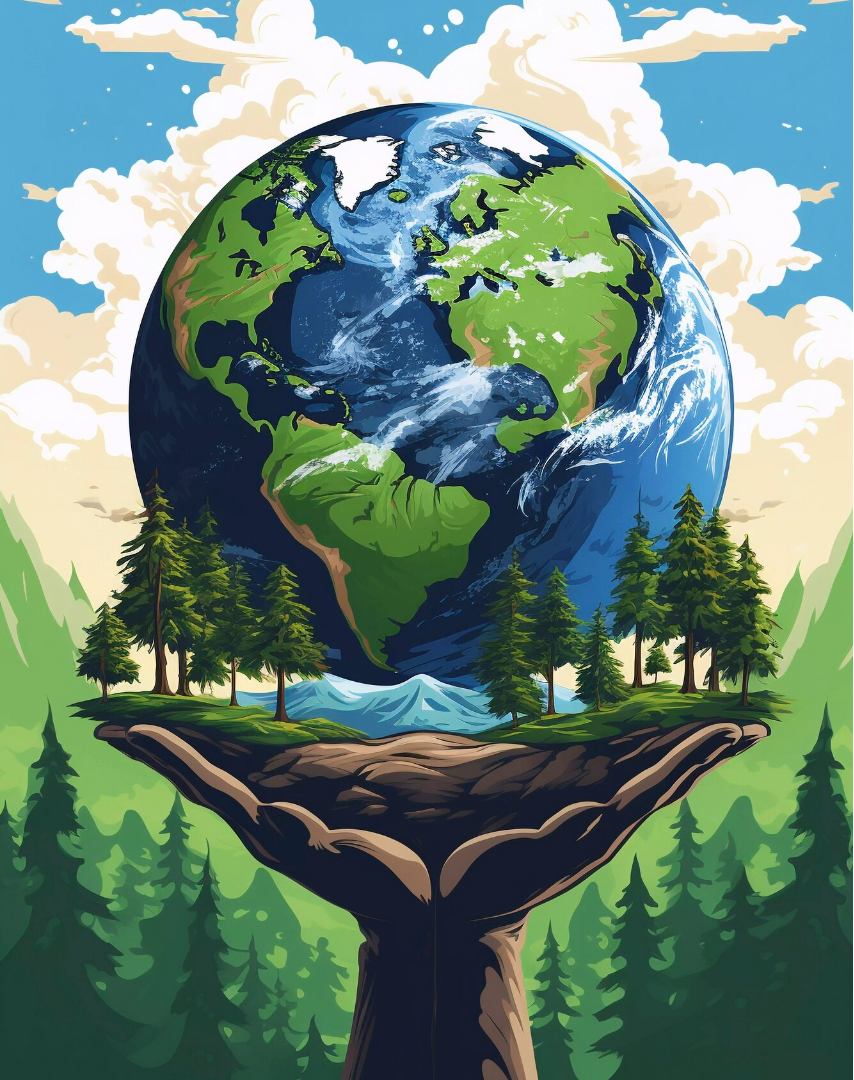
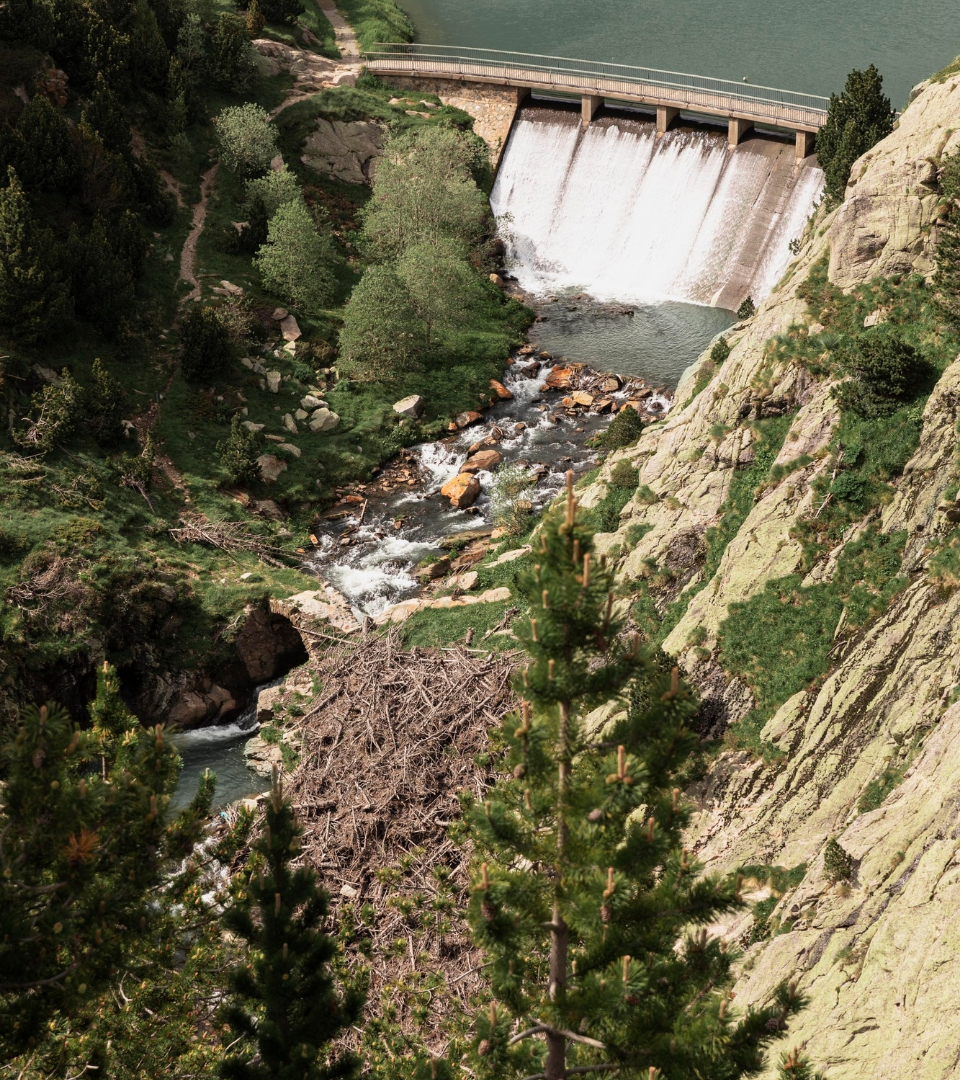
Natural resources are resources that exist on Earth without human involvement. They are raw materials and sources of energy that humans use.It is often characterized by amounts of biodiversity and geo diversity existent in various ecosystems.Any material which is part of earth and satisfy human need and add value is called as resource. Example: rocks, minerals, soil, rivers, plants & animal. Human is a resource because developing his skill, he can develop other resource by adding value to the physical material .
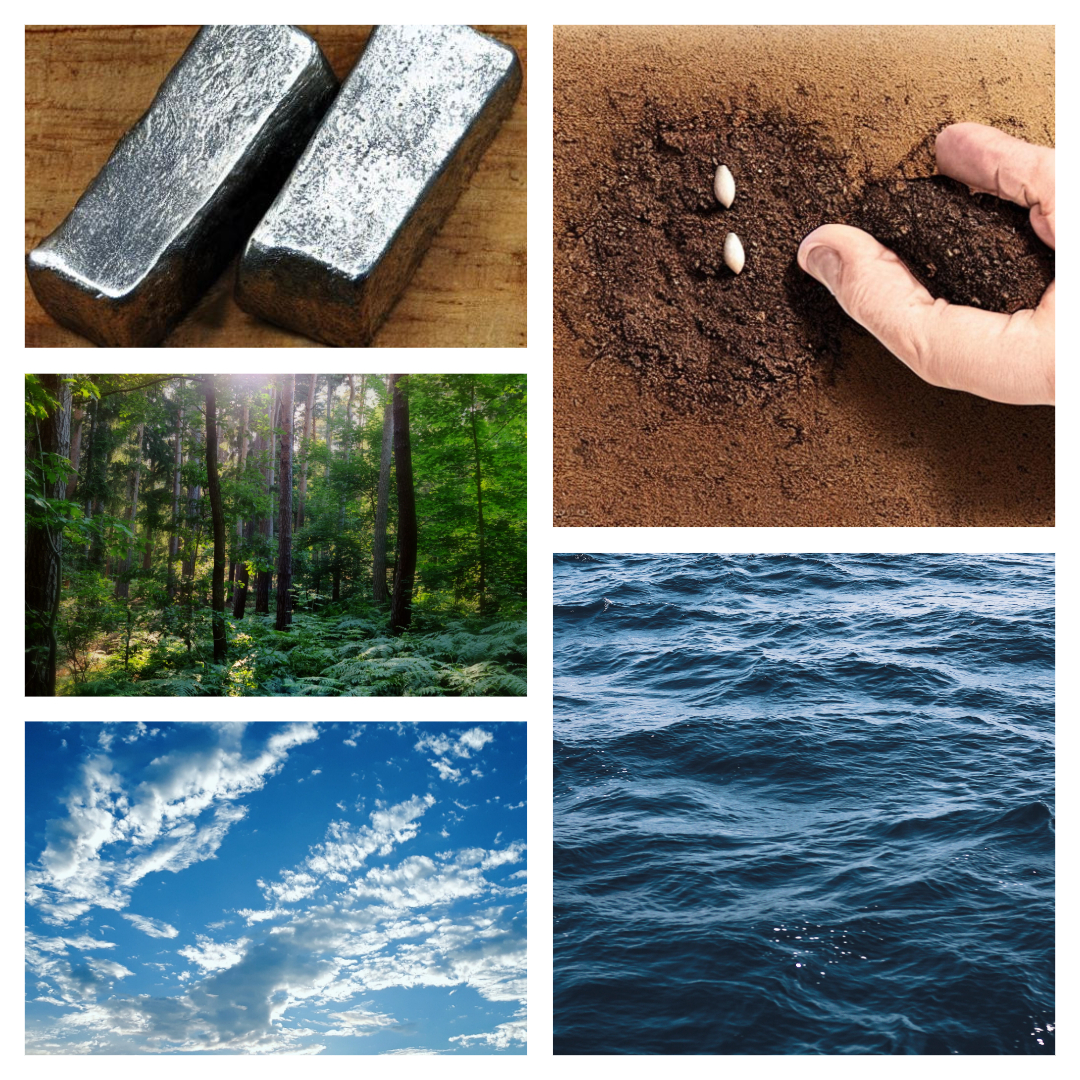
The 5 most important natural resources


(1)Soil: Different particles and nutrients make up soil. It promotes plant growth.
(2)Air: For all plants, animals, and humans to exist on this planet, the air they breathe must be clean.
(3)Water: Earth is 70 percent covered with water and only 2 percent of that is freshwater.
(4)Forests: Forests maintain the world’s ecosystem and offer clean air.
(5)Iron: Iron is used to construct powerful weapons, vehicles, and structures. It is found as the mineral silica

Types of Natural Resources


Natural resources can be categorized into renewable and non-renewable resources. Renewable resources can be replenished over time, while non-renewable resources are finite and cannot be easily replaced.
Example:
❑Renewable sources: Wind, water, air, trees, wildlife, and soil
❑Non-renewable resources:Fossil fuels like oil and natural gas

Importance and Value of Natural Resources

❑Natural resources are essential for sustaining life and supporting economic development. They provide raw materials for industries, food, energy, and contribute to the overall well-being of human societies.
❑Economic value- Production of things from natural resources
❑Legal value- Clean air, Fresh water, Healthy animal and human beings
❑Aesthetic value- Beauty of village, roads, ponds and their agricultural fields

Challenges in Resource Management


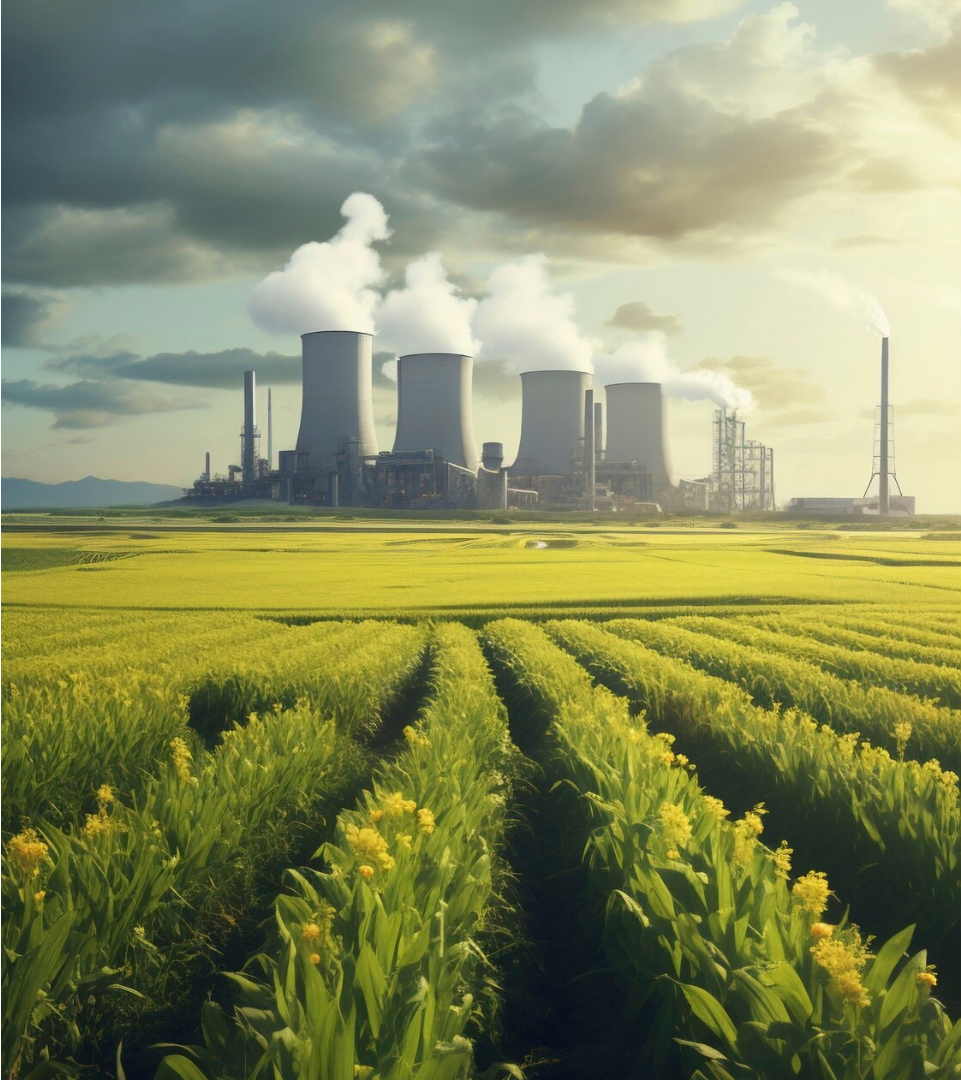
The exploitation and mismanagement of natural resources can lead to environmental degradation, habitat loss, and resource depletion. Sustainable resource management is crucial for the preservation of these valuable assets.


Major problems with Natural Resource conservation


❑Low awareness for conservation of natural resources.
❑Exploitation of living natural resources for economic gain.
❑Values and knowledge about the species and ecosystem inadequately known.
❑Unplanned urbanization and uncontrolled industrialization.

Global Distribution of Resources


Natural resources are distributed unequally across the globe, leading to geopolitical tensions and disparities in economic development. Understanding the global distribution of resources is vital for addressing resource scarcity and fostering cooperation

Sustainable Resource Utilization


Sustainable resource utilization aims to meet current needs without compromising the ability of future generations to meet their own needs. This involves conservation, renewable energy, and responsible extraction practices.

Innovation in Resource Technology


Advancements in technology are enabling more efficient and environmentally friendly methods for resource extraction, processing, and utilization. Innovation plays a key role in mitigating the impact of resource exploitation on the environment.

The Future of Natural Resources


As the global population continues to grow, the demand for natural resources will intensify. It is imperative to prioritize sustainable practices, conservation efforts, and international cooperation to ensure the availability of resources for future generations.

Policy to protect natural resource from destroy


Governments can implement policies to protect natural resources in a number of ways, including:

❑Conservation and protection
❑Sustainable harvesting
❑Governments can promote sustainable harvesting practices.
❑Recycling and reusing
❑Recycling and reusing natural resources is another important strategy for promoting sustainability.
❑Education and awareness
❑Governments can educate people about the importance of sustainable use of natural resources and the impact of their actions on the environment.


Here are some acts to protect natural resource


❑Endangered Species Act
--This federal law prohibits both public and private individuals from "taking" any species that has been listed as threatened or endangered.


❑National Environmental Policy Act
--This 1969 law ensures that the government considers the environment before taking any actions that could affect it.


❑International Union for Conservation of Nature
--This organization focuses on the protection and conservation of nature. Its goal is to ensure that any use of natural resources is carried out in a fair and ecologically sustainable manner.

Group Information

Name:Nirmal Rohit

Branch:B.Tech CSE

En.No.:202303103510227

Email:23amtics227@gmail.com

Name:Krish Patel

Branch:B.Tech CSE

En.No.:202303103510002

Email:23amtics002@gmail.com

Name:Darshil Tandel

Branch:B.Tech CSE

En.No.:202303103510359

Email:23amtics359@gmail.com

Name:Ritesh Bhusara

Branch:B.Tech CSE

En.No.:202303103510153

Email:23amtics153@gmail.com